A podcast begins well before anyone sits down at a microphone. The most useful preparation is knowing what conversation you want to have, who it is for and what you want to do with the recording afterward.
Give the episode one clear idea.
Choose the question or theme at the center of the episode. A specific idea is easier to prepare for than a broad promise to talk about everything. Think about the person listening and what would make the conversation worth their time.
Write a short description of the episode in plain language. If it takes a paragraph of explanation before the subject becomes clear, narrow the scope. A focused conversation still has plenty of room for personality and surprises.
Help your guest arrive ready.
Share the theme, approximate format and the topics you would like to cover. Let your guest know whether the conversation will be filmed, and discuss how the recording and any short clips will be used.
A brief outline can be more useful than a complete script. Give the guest enough context to think of stories and examples, while leaving room for a natural exchange. Confirm names, pronunciations and how everyone would like to be introduced.
Build an outline you can actually follow.
Plan a clear opening, a small number of main topics and a useful ending. Keep your notes short enough to glance at during the conversation. Questions that invite a real example often give you more to work with than questions that invite a yes or no.
Think about your transitions, too. Moving from one topic to the next should feel like a conversation rather than a checklist being read aloud.
- Opening: what are we talking about, and why?
- Context: what does the audience need to know?
- Main conversation: stories, examples and a few focused questions.
- Close: the idea you want the listener to leave with.
Agree on the production and deliverables.
Audio recording, filmed episodes and short social clips have different production and editing requirements. Tell the studio how many people are taking part, the intended recording duration and what files you want to receive.
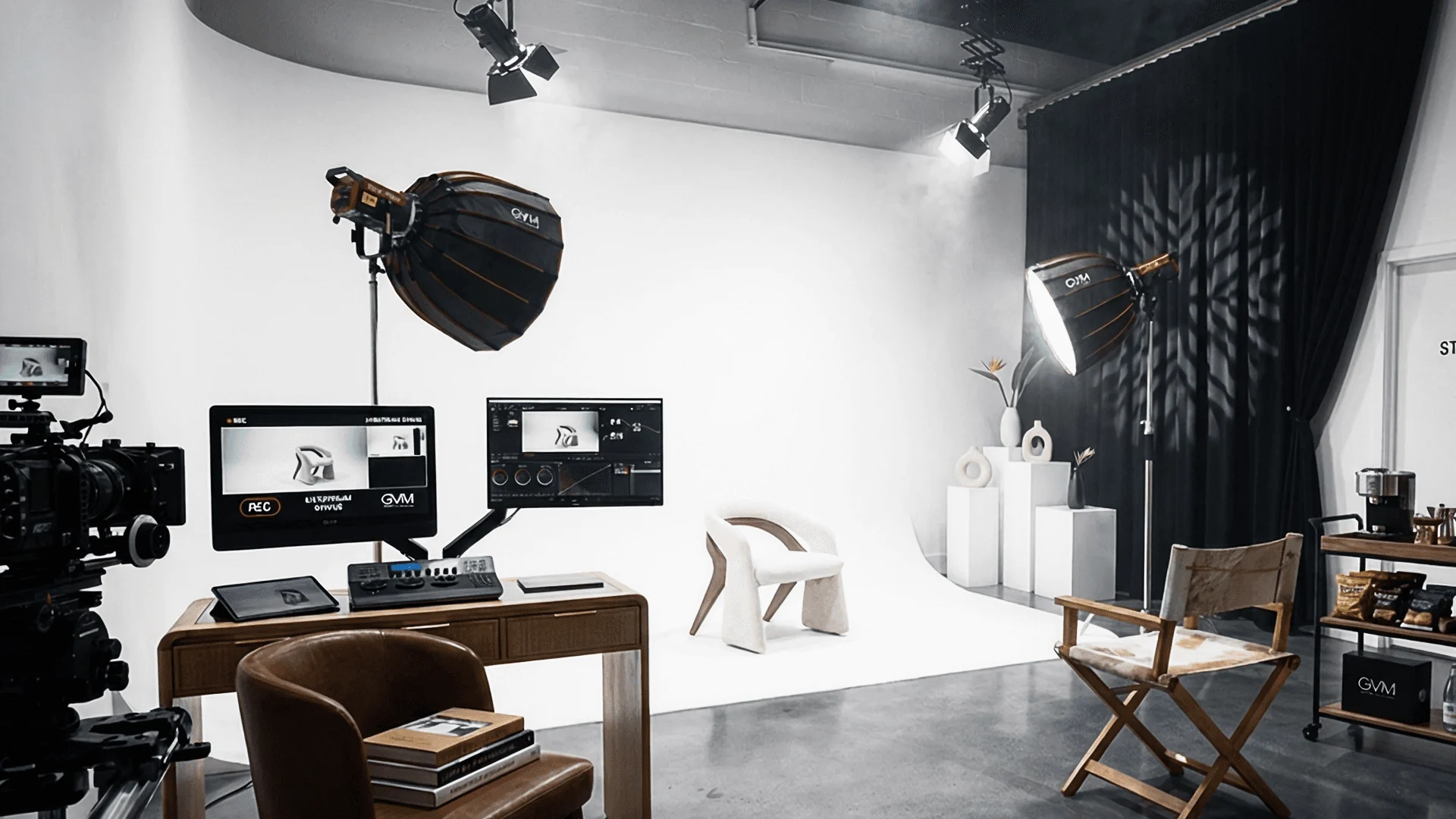
At X Studio Miami, podcast recording packages and full episode editing have separate published rates. Additional social media clips are quoted separately. Ask the team to confirm the current setup, camera and audio options, lighting, editing scope and delivery schedule. Do not assume that clips, captions or a finished episode are included until they are part of the agreed quote.
Let the conversation breathe.
Leave room to listen. The strongest follow-up question may come from something your guest has just said, rather than the next line on your outline. A short pause is often more useful than rushing to fill every second.
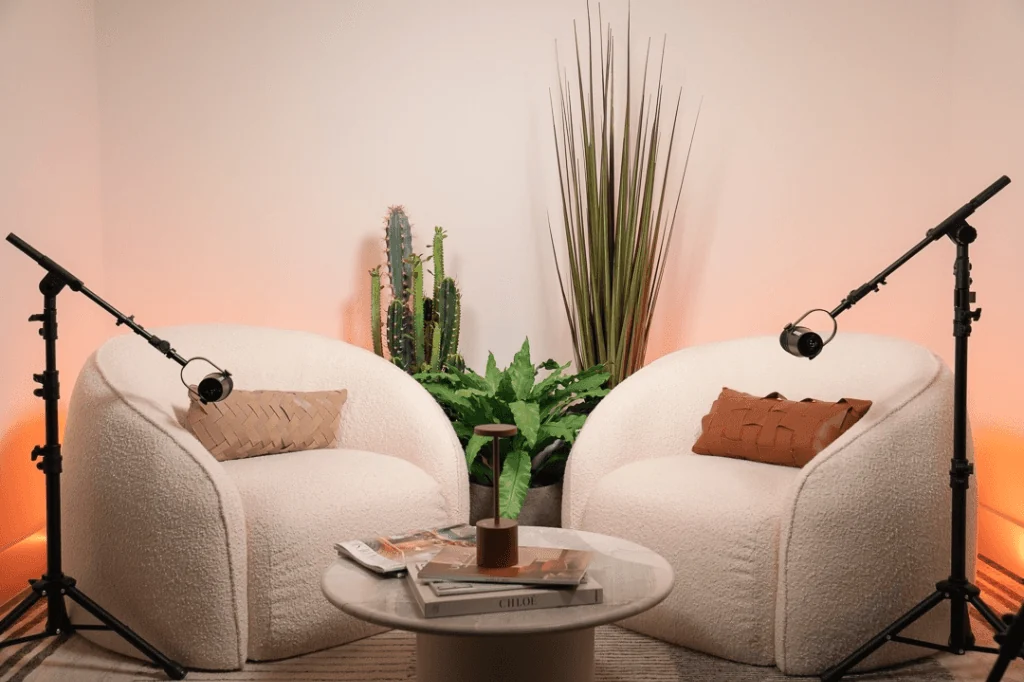
Bring your notes, arrive prepared and allow time for the team to settle the recording setup. Once the plan is in place, focus on the person in front of you. The equipment is there to support the conversation.